Exploring PropTech: Key Technologies & Software Solutions Transforming Real Estate
- December 09
- 12 min



Audit trails in real estate are digital records that log every specific action, update, or event within a software platform. These chronological logs provide verifiable proof of who performed an action, what changes were made, and exactly when they occurred.
Transparency is a critical requirement for modern estate agents. Clients demand to know their data is safe and that property transactions are handled correctly. Trust is the foundation of the client-agent relationship. Without clear records, misunderstandings can occur. PropTech SaaS platforms now use audit trails to guarantee accountability and openness. This article explains the role of these digital logs in building a more trustworthy real estate industry.
An audit trail is a security-relevant chronological record. In real estate technology, it serves as a digital footprint for every task performed in the system. It removes ambiguity about what happened during a transaction or property listing update.
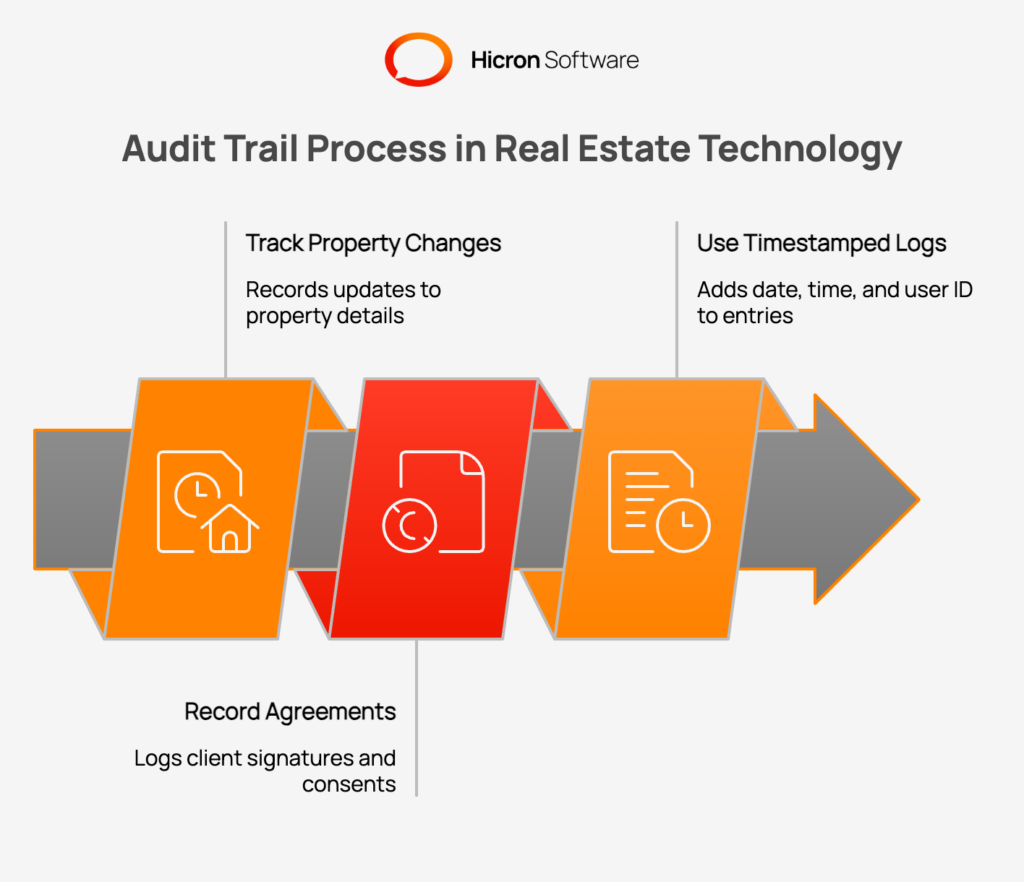
An effective audit trail relies on three main components:
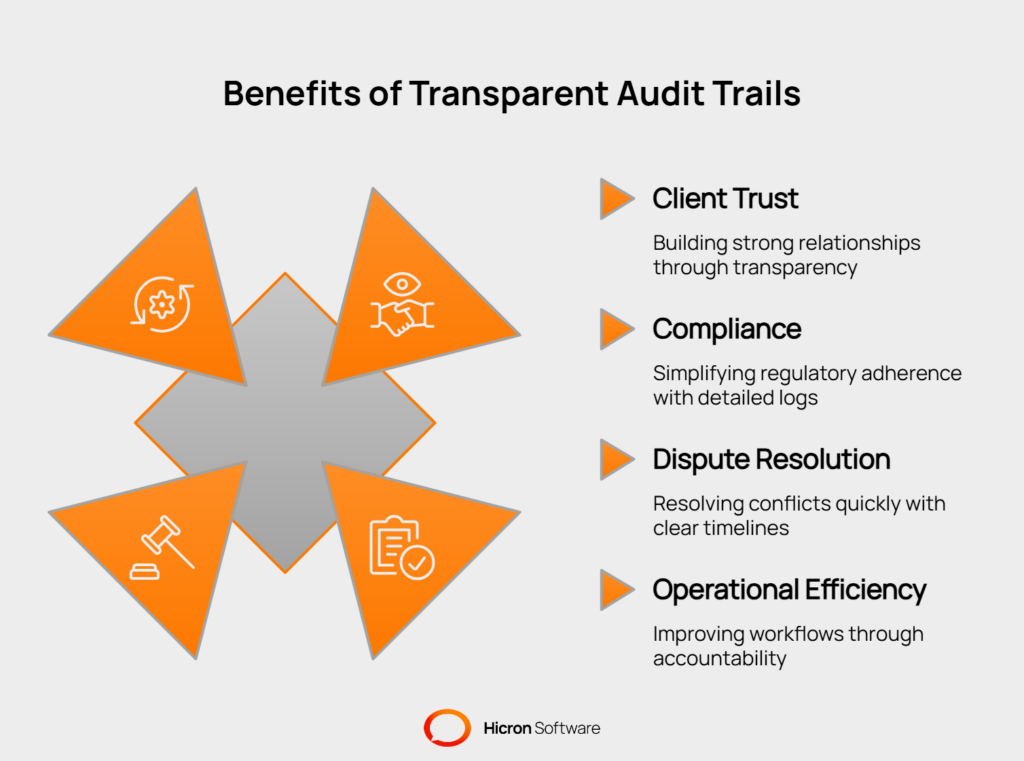
Real estate agents face pressure to work fast while remaining accurate. Transparent audit trails offer four specific advantages that help agents manage this pressure.
PropTech SaaS platforms capture data automatically in the background. The process is continuous and requires no manual input from the user.
|
Feature |
Description |
Example/Use Case |
|
Property Updates |
Captures all details when an agent modifies a property listing, including previous and new values, timestamps, and user identity. |
An audit log reflects a price change from $400,000 to $390,000, noting the agent’s name and the exact time of the edit. |
|
Agent Actions |
Encompasses and archives key agent activities within the platform, such as onboarding properties, scheduling open houses, or client communications. |
A manager reviews an agent’s communication log to confirm that critical updates were delivered to a client or to verify timely listing removals. |
|
Agreement Tracking |
Tracks each stage of digital documents like contracts and consent forms, including when they are sent, viewed, and signed. |
Resolving a dispute by showing a timestamped record that proves a client received, opened, and digitally signed a required disclosure form. |
|
Technical Integration and Use Cases |
Allows administrators to review audit trails via dashboards or export data for compliance. Logs are protected with encryption and immutable storage. |
During a regulatory review, management generates a report showing who accessed sensitive client data and what actions were taken at each step. |
Property Updates
When an agent changes a listing price, the system creates a log entry. It records the old price, the new price, the time of the change, and the name of the user who made the edit.
Agent Actions
The software tracks improved workflow transparency. It logs when an agent adds a new listing, removes a property, or sends a communication to a client. This creates a full picture of daily operations.
Agreement Tracking
Digital contracts and consent forms are sensitive documents. The audit trail records when these are sent, viewed, and signed. This integrates with activity logs to ensure no step in the sales process is missing.
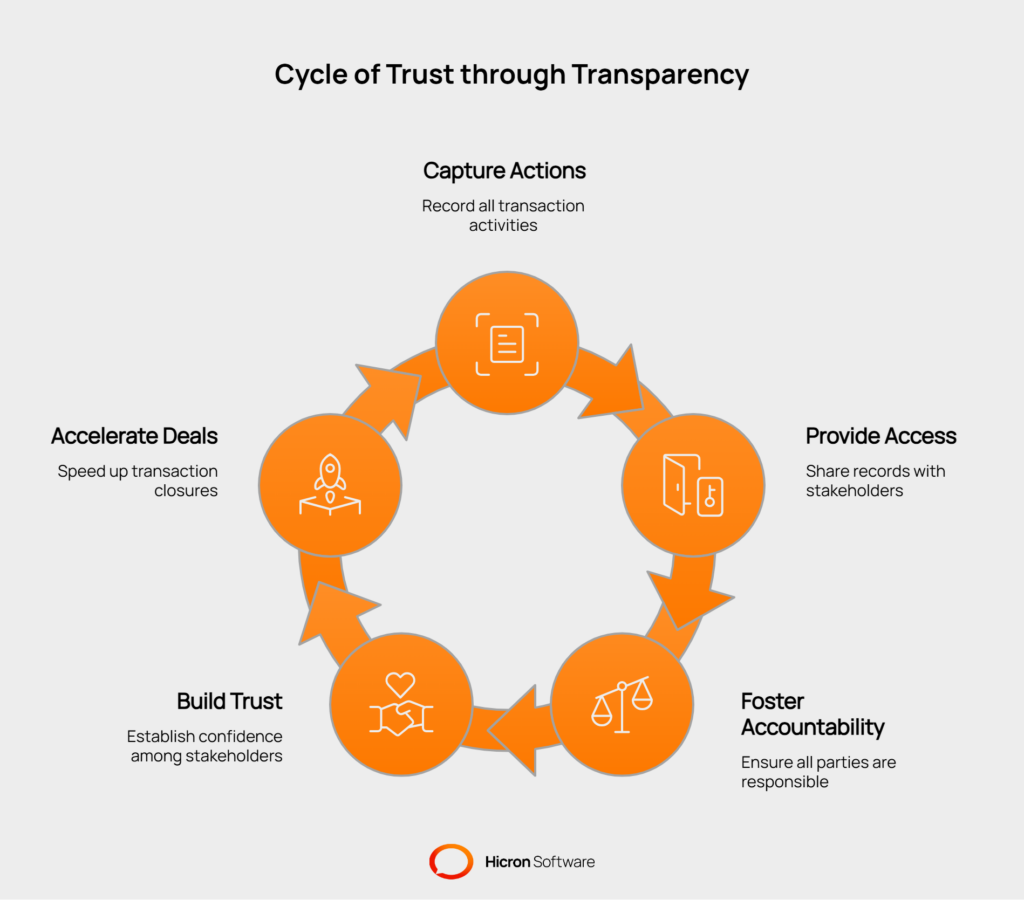
Trust in PropTech comes from visibility. Audit trails foster trust between estate agents, clients, and other collaborators.
When an agent can show a client a detailed history of work performed on their behalf, it proves value. Clients see that the agent is active and attentive. This transparency helps close deals faster. Buyers and sellers hesitate less when they feel informed.
Consider a scenario where a buyer claims they made an offer that was ignored. An audit trail proves whether the offer was received and logged. This clarity protects all parties and ensures fair play.
Real estate technology must address two critical needs at once: legal compliance and data security. PropTech platforms handle sensitive client information and complex transactions, making them a target for both regulatory scrutiny and malicious attacks. Audit trails serve a dual function in this environment, acting as both a compliance tool and a security mechanism. They provide the verifiable evidence needed to meet legal obligations while also creating a digital fortress to protect data integrity.
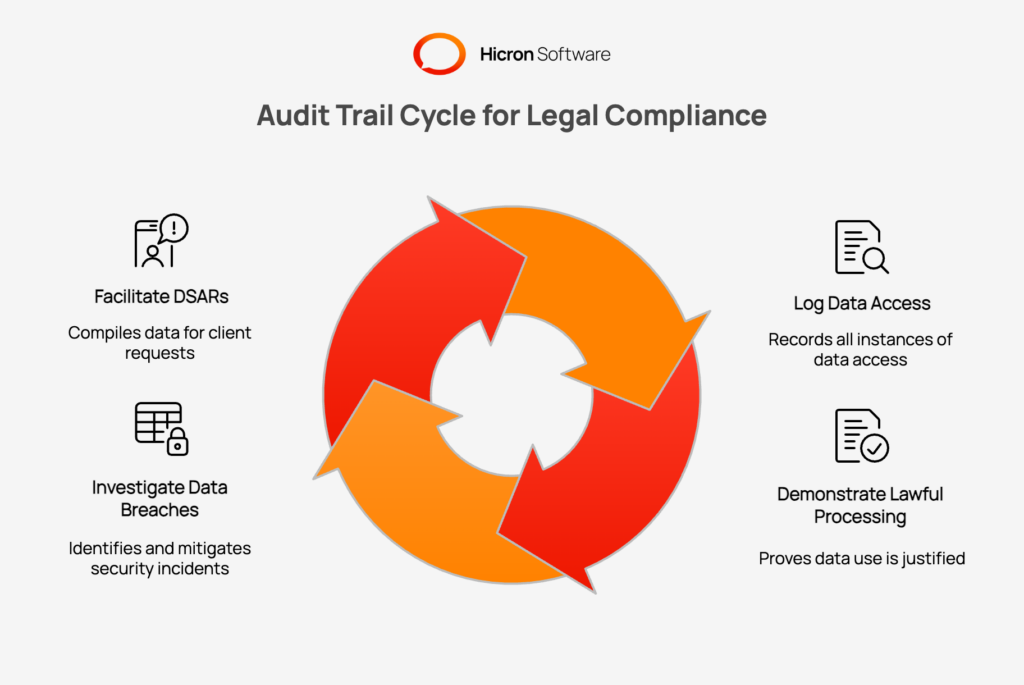
GDPR for real estate agents is strict regarding personal data processing. Agents must report data breaches or misuse. An audit trail allows agents to investigate incidents quickly and accurately. It shows exactly which records were accessed.
For modern real estate agencies, following data protection laws is not optional. Regulations like the General Data Protection Regulation (GDPR) in Europe and other regional data privacy laws impose strict rules on how personal information is collected, processed, and stored. Violations can lead to heavy fines and reputational damage.
Audit trails are a core component of a strong compliance strategy. Here’s how they help agents meet their legal duties:
Consider a scenario where a client accuses an agency of sharing their contact details without permission. The agency’s compliance officer can review the audit trail to see if any unauthorized user accessed the client’s record or if the data was exported from the system. This verifiable evidence can quickly resolve the dispute and demonstrate the agency’s commitment to data privacy.
Audit trail data must be tamper-proof. High-quality PropTech platforms encrypt these logs. This ensures that no one can alter the history to hide mistakes or malicious actions. This level of security is vital for maintaining the integrity of real estate data.
A compliance record is only useful if it is trustworthy. The security of the audit trail itself is paramount. If logs can be altered or deleted, they lose all value as a source of truth. For this reason, high-quality PropTech platforms implement several security measures to make their audit trails tamper-proof.
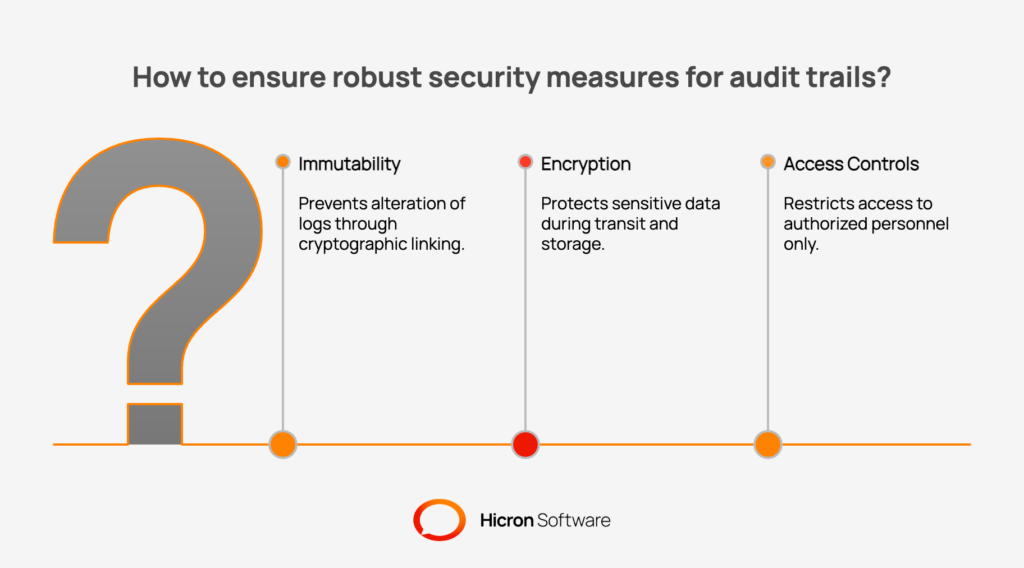
Take, for example, a scenario where a security investigation into unusual activity on an agent’s account late at night. The security team can pull the audit log, which is protected by encryption and stored in an immutable format. The log shows that the user attempted to export the entire client database. Because the log is tamper-proof, it serves as undeniable evidence in the investigation and helps the company take appropriate action to secure its systems. This level of security is fundamental for maintaining the integrity of all real estate data managed by the platform.
In the real estate technology sector, trust is built on a foundation of clarity and accountability. A transparent audit trail is a critical component for any PropTech platform, providing a detailed, chronological record of all system activities. This digital log ensures that every action, from a simple price update to a complex contract signature, is documented and verifiable.
|
Step |
Description |
Examples/Details |
|
1. Define the Scope and Objectives |
Determine which actions, events, and data points should be tracked in your audit trail system. Clarify specific goals such as ensuring regulatory compliance, enhancing client trust, or streamlining internal processes. |
Track edits to property listings, client communications, document signings, financial transactions, and system logins. Define compliance requirements for GDPR, SOC 2, or local property regulations. |
|
2. Choose the Right Technology |
Select or build a PropTech audit trail solution that supports automatic logging, robust encryption, and flexible access controls. Prioritize systems that integrate smoothly with existing infrastructure and future-proof scalability. |
Software options include cloud-based audit platforms (e.g., Yardi, MRI), solutions with blockchain capabilities, or custom-built systems. Ensure support for APIs and compatibility with team workflows. |
|
3. Implement Automatic Logging |
Configure the system to automatically capture all critical actions, including property updates, user activity, and document workflows, with comprehensive metadata such as timestamps and user identification. |
Record every login attempt, status or price update, offer sent/received, contract signed, and document viewed. Each log entry should include who made the change, when, and what specifically was altered. |
|
4. Ensure Data Integrity |
Safeguard audit trails against unauthorized changes using technologies like hash chaining or blockchain and encrypt data at rest and in transit. |
Use immutable ledgers, regular backups, and digital signatures; store logs in secure, redundant locations to prevent tampering and data loss. |
|
5. Set Up Role-Based Access Controls |
Restrict access to audit logs based on job roles, assigning privileges only to trusted staff such as compliance officers or senior management. Enhance with additional security practices. |
Employ multi-factor authentication, admin-only or read-only user roles, and periodic reviews of access permissions. Maintain a log of who accesses the audit trail and when. |
|
6. Integrate with Other Systems |
Connect the audit trail platform with key business tools: CRMs, document management systems, and accounting software, to centralize activity tracking and maximize transparency. |
Configure seamless data flows between audit logs and systems such as Salesforce, DocuSign, and various property management platforms. Use APIs to synchronize audit records across solutions. |
|
7. Regular Monitoring and Reporting |
Continuously monitor audit trails using dashboards, alerts, and automated reporting features. Schedule regular audits to identify anomalies, monitor compliance, and inform stakeholders. |
Set up real-time alerts for unusual activity, automated compliance reports for audits, and monthly summaries for leadership. Provide clients with transparency reports as needed. |
|
8. Train Your Team |
Educate all staff and relevant stakeholders about audit trail practices, emphasizing their importance in ensuring data accuracy, security, and trust. Provide resources, workshops, and ongoing support. |
Onboard new employees with step-by-step guides, conduct annual refresher sessions, send regular policy updates, and provide quick reference materials about compliance and transparency. |
|
9. Test and Optimize |
Periodically test audit trail functionality and accuracy, gathering feedback from users to identify issues and opportunities for improvement. Refine processes to enhance usability and system resilience. |
Run simulated incidents to confirm logging effectiveness, survey staff about ease-of-use, and iterate workflows based on collected insights. Adjust configurations as new business needs emerge. |
|
10. Stay Compliant |
Keep current with data protection laws and regulatory updates; update audit policies and systems regularly to maintain compliance and protect sensitive information. |
Monitor legislation such as GDPR, CCPA, and local property laws. Update retention policies, conduct compliance audits, and document any changes to audit trail protocols for accountability. |
Creating a transparent audit trail is an essential practice for any modern real estate business using PropTech. By defining a clear scope, choosing the right technology, ensuring data integrity through immutability and encryption, and implementing strict access controls, you can build a system that fosters trust and ensures compliance. This approach protects your agency from potential disputes and regulatory issues and strengthens your client relationships by demonstrating a commitment to accountability and professional integrity.
Technology moves fast. The next generation of audit trails will offer more than just a list of actions.
Transparent audit trails are essential for any modern real estate business. They provide the transparency needed to build strong client relationships. They ensure agencies meet legal standards without extra administrative work.
Estate agents should adopt PropTech SaaS platforms with robust audit trail features. It is the best way to enhance operations, protect data, and earn the lasting trust of clients.
Audit trails are digital logs within real estate software that record every action, update, and user interaction. They provide a chronological history of events to ensure accountability and transparency in property transactions.
They help agents meet regulations like GDPR by tracking exactly who accesses or modifies client data. This provides a clear record that can be reviewed during audits or investigations to prove legal adherence.
Transparency builds trust between agents and clients. Audit trails prove that an agent is acting honestly and efficiently, which reduces friction during sales and helps resolve misunderstandings quickly.
Yes. If there is a disagreement about an action, such as a price change or a signed agreement, the audit trail provides undeniable proof of what happened and when.
Most robust PropTech platforms record all critical actions. This includes logging in, changing property details, accessing client files, and signing documents.
Hicron Software proved to be a trusted partner with unmatched technical expertise, delivering a scalable and user-friendly web application that was pivotal to our successful U.S. market expansion.

Hicron’s contributions have been vital in making our product ready for commercialization. Their commitment to excellence, innovative solutions, and flexible approach were key factors in our successful collaboration.
I wholeheartedly recommend Hicron to any organization seeking a strategic long-term partnership, reliable and skilled partner for their technological needs.

After carefully evaluating suppliers, we decided to try a new approach and start working with a near-shore software house. Cooperation with Hicron Software House was something different, and it turned out to be a great success that brought added value to our company.
With HICRON’s creative ideas and fresh perspective, we reached a new level of our core platform and achieved our business goals.
Many thanks for what you did so far; we are looking forward to more in future!

Hicron is a partner who has provided excellent software development services. Their talented software engineers have a strong focus on collaboration and quality. They have helped us in achieving our goals across our cloud platforms at a good pace, without compromising on the quality of our services. Our partnership is professional and solution-focused!

The IT system supporting the work of retail outlets is the foundation of our business. The ability to optimize and adapt it to the needs of all entities in the PSA Group is of strategic importance and we consider it a step into the future. This project is a huge challenge: not only for us in terms of organization, but also for our partners – including Hicron – in terms of adapting the system to the needs and business models of PSA. Cooperation with Hicron consultants, taking into account their competences in the field of programming and processes specific to the automotive sector, gave us many reasons to be satisfied.