Top InsurTech Trends Every Insurance Company Needs to Adopt
- March 28
- 31 min



A smart insurance portal is a digital platform that serves as a central hub for clients to manage their policies, file claims, and communicate with their insurance agents in real-time. These portals use advanced tools like AI and data analytics to provide a more responsive, personalized, and transparent experience.
The insurance industry is currently undergoing a period of digital change. As customer expectations evolve, the traditional methods of communication between insurance agents and clients are being re-evaluated. Smart insurance software portals are at the center of this transformation, reshaping relationships by introducing client-focused digital tools that lead to better experiences. This article will explore how these insurance software portals are altering agent-client dynamics for the better.
Key Takeaways:
Smart insurance portals are dynamic, interactive platforms designed to connect clients and agents. Unlike older, static websites, these portals are comprehensive ecosystems that provide a wide array of functions. Core features include
What elevates these insurance platforms is the integration of modern digital tools. Artificial intelligence (AI) and chatbots are often used to provide instant answers to common questions, offering 24/7 support. Data analytics work in the background to deliver personalized insights and recommendations. These insurance software portals act as a digital bridge, creating a unified workspace where both the agent and the client can view and manage insurance details together, ensuring everyone is on the same page.
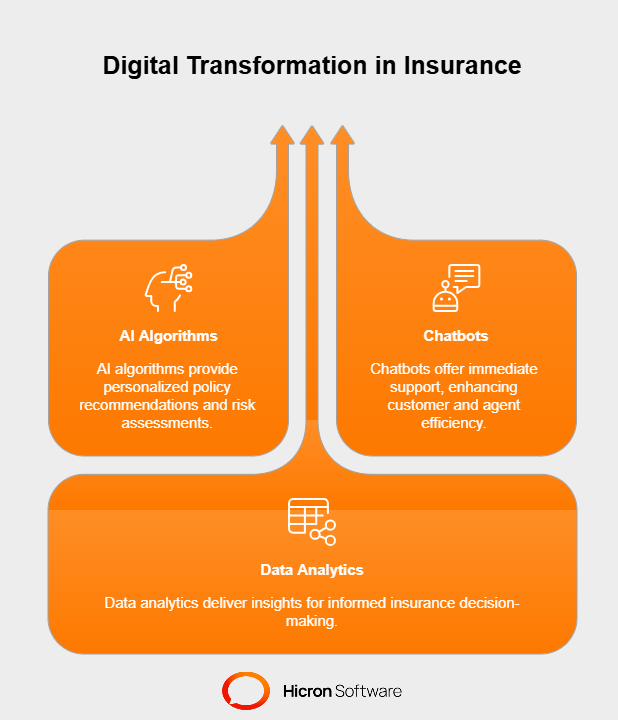
Through these tools, innovative insurance portals are advancing the digital transformation for insurance, setting a new standard for efficiency, transparency, and customer satisfaction. Clients no longer view insurance as a cumbersome chore but as a streamlined, accessible, and client-focused service. For agents, these tools empower them to deliver faster and more proactive solutions, solidifying their role in an increasingly tech-savvy world.
The focus in the insurance world is shifting from being product-first to client-first. This means designing every process with the customer’s experience in mind. Smart insurance portals are a primary driver of this change by putting the client at the heart of all operations.
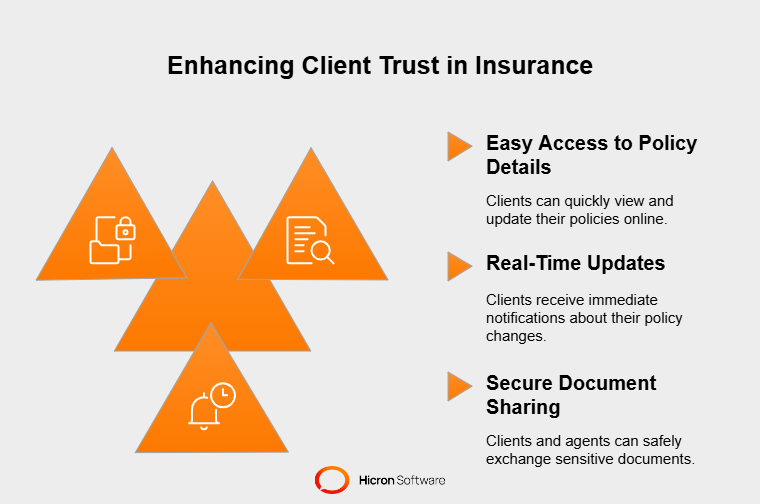
These platforms empower clients by giving them more control and transparency over their insurance matters. A client can log in at any time to review coverage details, print an insurance card, or check a payment history without needing to contact their agent. This autonomy creates a more positive and confident customer. When clients feel they have direct access and control, their trust in the provider grows. This improved trust is a direct path to greater loyalty, a crucial asset in a competitive market.
One of the biggest friction points in traditional insurance relationships is communication lag. A client leaves a voicemail; the agent returns the call two hours later; the client is in a meeting. This cycle is frustrating and inefficient. Smart insurance portals solve this by facilitating real-time communication.
Many modern portals include secure messaging features or live chat options. This allows for asynchronous communication that feels instant but respects everyone’s time. Furthermore, the integration of AI-driven chatbots handles the bulk of routine queries. If a client wants to know their payment due date, a bot can answer instantly. This frees up the human agent to handle complex issues that require empathy and expertise.
We are also seeing the rise of video consultations integrated directly into these platforms. Instead of a cold phone call, an agent can hop on a video chat to walk a client through a complex renewal or explain the nuances of a new policy. This face-to-face digital interaction brings the “human touch” back into a digital environment, ensuring the relationship remains personal even when it is remote.
Efficiency gains from smart portals go beyond just saving time; they create opportunities for better client service. These platforms simplify many of the administrative processes that used to consume an agent’s day. Tasks that once required hours of paperwork and data entry can now be handled automatically.
For example, automated claims processing allows a client to upload photos and file a claim directly through the portal. Algorithms can then assess the information and, in some instances, approve the claim within minutes. E-signatures for contracts eliminate the need for printing, signing, and mailing physical documents. By reducing the burden of these manual tasks, portals free up agents to act more like advisors. They can spend their valuable time building relationships, identifying new client needs, and providing strategic guidance.
Personalizing Insurance Solutions Through Data Insights
The era of one-size-fits-all insurance is fading. Today’s consumers expect personalized services, and smart portals use data analytics to meet this demand. By analyzing how a client interacts with the portal and the data they provide, insurers can gain a deeper understanding of their individual needs.
For instance, if a client uses the portal to update their information with the purchase of a new car, the system can alert the agent to discuss auto policy adjustments. Algorithms can also generate tailored policy recommendations based on detected life events, like a change of address or the birth of a child. Predictive insights take this a step further by proactively addressing potential concerns. A portal might send a notification about upcoming severe weather in a client’s area, along with tips for preventing damage and a direct link to the claims center. This level of proactive care makes the insurer a true partner.
Trust is the foundation of the insurance industry. Clients need assurance that their provider will be there for them when needed. Smart portals make this promise tangible by offering complete transparency.
Giving clients 24/7 access to their policy details, payment history, and the real-time status of their claims removes the mystery from insurance processes. Clients no longer have to wonder if a payment was processed or where their claim is in the queue; they can see for themselves. This clarity reduces anxiety and builds confidence. Secure document-sharing features also contribute to this trust, providing a safe environment for clients to upload sensitive information. When clients see that an insurer is investing in secure and transparent tools, it reinforces their belief in the company’s reliability.
Improving Accessibility with Mobile-Friendly Insurance Software
People today manage nearly every aspect of their lives from their smartphones, and insurance should be no exception. Smart insurance portals are increasingly designed with a mobile-first approach, ensuring the entire experience is accessible from anywhere.
Mobile-friendly portals allow clients to interact with their insurer on their own terms. A person involved in a car accident can open their app at the scene to start the claims process immediately. They can take photos, gather information, and submit everything without having to wait. This on-the-go access is especially important for reaching younger, tech-savvy clients who view mobile capability as a standard feature, not a bonus. By offering a robust mobile platform, insurers can enhance convenience and meet modern consumer expectations.
One of the standout benefits of mobile-friendly insurance portals is their feature set, which is explicitly designed to meet the demands of modern consumers. Here are a few key capabilities that are changing the game for accessibility:
Implementing a powerful customer communications portal solution for insurance is only half the battle; agents must be trained to use it effectively. Rather than replacing agents, these portals are designed to augment their abilities. Training should focus on helping agents use the data and tools available in the portal to have more meaningful and productive client conversations.
Key strategies for success include ongoing workshops on new portal features and coaching agents on how to balance automated solutions with a human touch. Agents need to learn when to let a chatbot handle a simple query and when a personal intervention is required. When agents are properly equipped with these skills, they can use the portal as a powerful assistant, allowing them to thrive in an increasingly digital industry.
Successfully preparing agents for digital transformation requires technical training, strategic planning, and ongoing support. Here are some proven strategies to set your team up for success:
Provide hands-on training sessions that cover all aspects of your digital platforms, from basic navigation to advanced features. Include real-world examples to help agents understand how to use these tools effectively in client scenarios.
Pair technical training with soft skills development, emphasizing active listening, empathy, and communication. This ensures agents can fully integrate technology into their roles while maintaining the human connection that sets them apart.
Technology evolves quickly, so training shouldn’t be a one-and-done process. Offer continuous education through webinars, online modules, and in-person workshops to update agents on new portal features and industry trends.
Encourage agents to participate in certifications or courses focused on digital tools and customer service excellence. Recognize and reward efforts to ensure motivation stays high.
Leverage the experience of tech-savvy team members by implementing mentorship or peer-learning programs. This collaborative approach allows agents to learn from each other, fostering a supportive work environment and driving skill development.
For example, senior agents may mentor newer team members on client relationship-building, while younger agents could share tips for effectively utilizing digital tools.
Ensure agents have access to a responsive support team if they encounter technical issues with the digital platform. Empower them with help desks, FAQ sections, or real-time IT assistance so they can solve problems quickly without slowing down workflows.
Feedback loops are also crucial. Actively collect agent feedback about the portal’s functionality and pain points, then turn those insights into actionable improvements.
Building a culture that embraces technology starts with leadership. During team meetings, highlight the benefits of digital transformation and share success stories of how it has improved client satisfaction, operational efficiency, or sales performance.
By emphasizing the role of technology in driving growth and client loyalty, organizations can foster buy-in and inspire agents to explore digital tools confidently.
The evolution of smart portals is far from over. As new technologies like blockchain and more advanced AI become mainstream, the capabilities of these platforms will continue to grow. We may see the rise of smart contracts that automatically process claim payouts when certain verified conditions are met, further streamlining the experience.
Hyper-personalization will also become more sophisticated, with “living policies” that adjust in real-time based on data from internet-connected devices. In this future, the agent’s role will shift dramatically. Instead of focusing on transactions, agents will become high-level risk advisors. Their value will come from interpreting complex data and helping clients make informed decisions about their overall financial protection. The relationship will be less about paperwork and more about a strategic partnership.
The evolution of technology is driving noticeable trends that will shape how clients and agents engage. These aren’t just technological advancements; they reflect changing client preferences and expectations in a digital-first world.
Today’s clients aren’t content with one-size-fits-all solutions. They expect products and services designed around their unique needs. Hyper-personalization, powered by robust data analytics and AI, allows insurers to offer highly customized policies, pricing, and recommendations.
Self-service options within smart insurance portals will see expanded adoption. Clients increasingly prefer managing simple transactions, such as updating contact information, reviewing policy details, or filing routine claims through intuitive, user-friendly platforms.
With technology handling transactional processes, agents will transition from task-oriented roles to advisory positions. This evolution hinges on their ability to provide deeper insights and guidance, offering clients value beyond what technology alone can achieve.
For insurance providers that have not yet fully adopted smart portal solutions, now is the time to start. The initial step is to map the current client journey and pinpoint areas of friction that could be improved with digital tools.
Partnering with technology experts who specialize in the insurance industry can provide a clear path forward. Building a custom portal can be a long and complex process, so leveraging an existing platform can often be a more practical approach. The ultimate goal is to create a solution that is flexible and can grow with the business. Continuous innovation is also vital. After launching a portal, insurers must remain committed to gathering user feedback and making regular improvements to stay competitive.
This roadmap outlines actionable steps for insurers ready to modernize client interactions, create client-centric platforms, and foster a culture of continuous innovation.
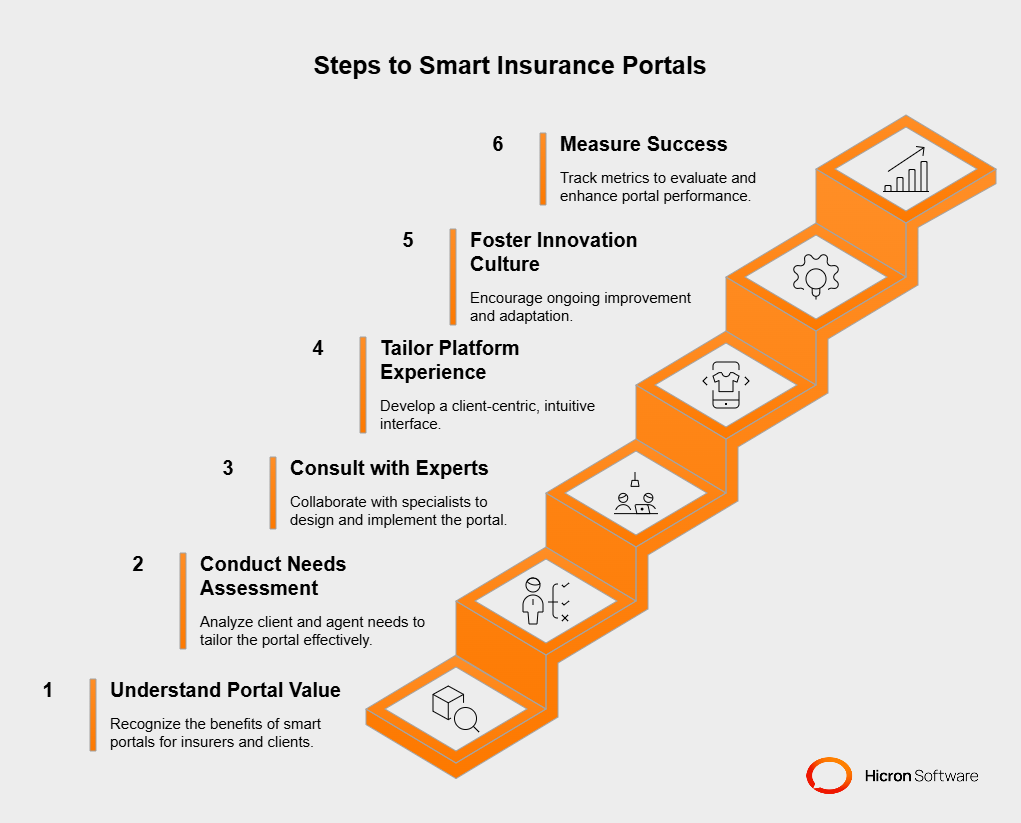
Before adopting any technology, insurers must assess how portals align with their goals. These platforms serve as a central hub, allowing clients to access policies, file claims, and receive support from anywhere. Smart portals streamline workflows, reduce reliance on paper processes, and enhance customer satisfaction.
By centralizing operations and offering self-service options, insurers save time while allowing agents to focus on high-value tasks. The result? Happier clients and more efficient teams.
Not all insurers have the same requirements, and creating a one-size-fits-all platform won’t deliver optimal results. Before launching a smart portal solution, conducting a thorough needs assessment is essential.
Designing and implementing a smart portal isn’t a task to tackle alone. Collaborating with experts who specialize in client-centric platforms ensures your solution is both functional and tailored to your unique needs.
Tech consultants and digital transformation specialists can help insurers craft a roadmap prioritizing usability and efficiency. They also bring knowledge about best practices and emerging trends, ensuring your portal will remain relevant as technology evolves.
Key areas where expert guidance can make a difference include user interface design, compliance with data regulations, and integration of advanced features like AI-driven tools or blockchain.
Once you have the groundwork, it’s time to build a platform that puts clients first. The goal is to create an intuitive, responsive interface that delivers personalized services.
The work doesn’t stop once your portal goes live. Technology and client expectations evolve quickly, and staying ahead requires a commitment to ongoing innovation.
Finally, ensure you’re tracking the right metrics to understand how effective your smart portal is. Focus on KPIs like customer engagement rates, self-service adoption, claim resolution times, and overall customer satisfaction. These insights will help fine-tune your platform to deliver better results over time.
The path to smarter interactions starts with a clear commitment to modernization. Insurers can build platforms that redefine client-agent relationships by understanding client and agent needs, consulting with experts, and prioritizing continuous improvement.
Smart insurance portals are more than just a technological advancement; they represent a fundamental improvement in the agent-client relationship. By automating routine tasks, providing clear information, and enabling instant communication, they empower agents to focus on what they do best: building trust and helping people manage risk. The result is a stronger, more dynamic partnership built for the modern world. For insurers looking to thrive, adopting these tools is no longer an option but a necessity.
Ready to revolutionize your insurance operations? Partner with us to design and develop a custom smart insurance platform that empowers your agents and delights your clients. Let’s build the future of your business together.
A smart insurance portal is an online platform that allows clients to manage their insurance policies, file claims, and communicate with their agents. It uses technology like AI and data analytics to offer a more personalized and efficient user experience.
They offer features like secure messaging, live chat, and AI-powered chatbots that provide instant, 24/7 support for common questions. This allows agents to focus their time on more complex client needs that require personal attention.
Yes. By analyzing user data and behavior, smart portals can help agents identify client needs proactively. This allows for tailored policy recommendations and timely advice related to life events, making the insurance experience feel more personal and relevant.
No, the goal of smart portals is not to replace agents but to augment their capabilities. By automating administrative tasks, these platforms free up agents to focus on building relationships, providing expert advice, and handling complex situations.
They provide clients with direct, transparent access to their policy information, billing history, and real-time claim status updates. This level of openness gives clients a sense of control and confidence in their insurance provider, which helps strengthen trust over time.
Hicron Software proved to be a trusted partner with unmatched technical expertise, delivering a scalable and user-friendly web application that was pivotal to our successful U.S. market expansion.

Hicron’s contributions have been vital in making our product ready for commercialization. Their commitment to excellence, innovative solutions, and flexible approach were key factors in our successful collaboration.
I wholeheartedly recommend Hicron to any organization seeking a strategic long-term partnership, reliable and skilled partner for their technological needs.

After carefully evaluating suppliers, we decided to try a new approach and start working with a near-shore software house. Cooperation with Hicron Software House was something different, and it turned out to be a great success that brought added value to our company.
With HICRON’s creative ideas and fresh perspective, we reached a new level of our core platform and achieved our business goals.
Many thanks for what you did so far; we are looking forward to more in future!

Hicron is a partner who has provided excellent software development services. Their talented software engineers have a strong focus on collaboration and quality. They have helped us in achieving our goals across our cloud platforms at a good pace, without compromising on the quality of our services. Our partnership is professional and solution-focused!

The IT system supporting the work of retail outlets is the foundation of our business. The ability to optimize and adapt it to the needs of all entities in the PSA Group is of strategic importance and we consider it a step into the future. This project is a huge challenge: not only for us in terms of organization, but also for our partners – including Hicron – in terms of adapting the system to the needs and business models of PSA. Cooperation with Hicron consultants, taking into account their competences in the field of programming and processes specific to the automotive sector, gave us many reasons to be satisfied.