Automotive Aftersales: The Engine of Repeat Business & Secure Revenue in Turbulent Times
- April 17
- 22 min

The automotive after-sales market is moving through a period of technology-led change and shifting buyer expectations. According to Market Research Future, the global automotive aftermarket reached an estimated USD 497.40 billion in 2025 and is projected to grow to USD 733.41 billion by 2035 at a CAGR of 3.96% (forecast period 2026 to 2035). Against that scale, OEMs and service networks are investing in sustainability, personalization, and tech partnerships to protect customer relationships and recurring revenue. This article covers the trends reshaping the sector and what they mean for operators next.
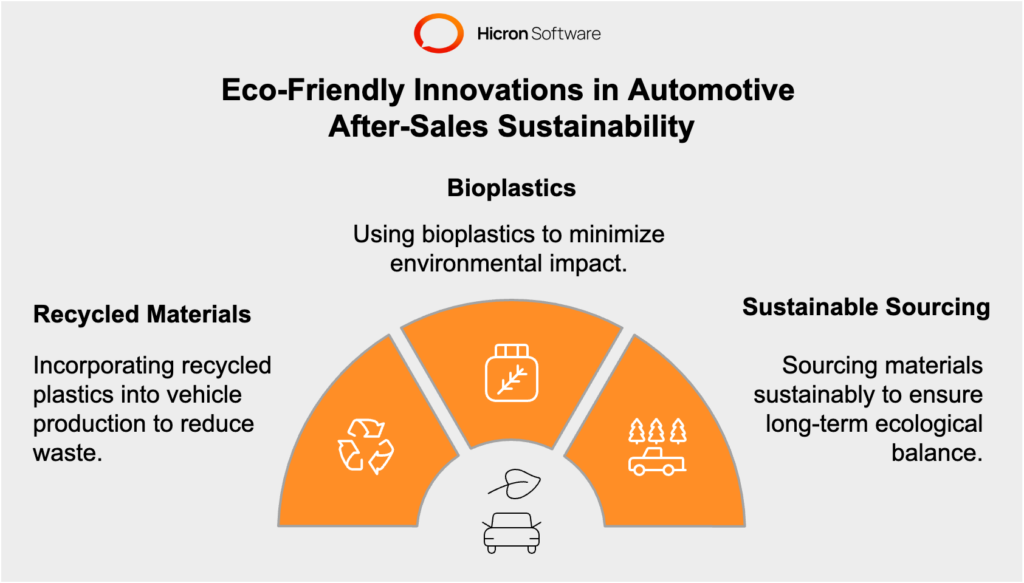
Sustainability is now a core operating requirement in automotive parts and service. Companies such as Ford and Toyota are expanding recycled and renewable materials in vehicle components. In its integrated sustainability reporting, Ford states a target for 20% recycled and renewable plastics in new vehicle designs for North America, Europe, and Türkiye by 2025 (10% for China), which lowers reliance on virgin plastics and supports circular-materials programs tied to after-sales parts supply.
Toyota’s eco-friendly initiatives include the use of bioplastics and sustainable sourcing, setting benchmarks for others in the industry. These strategies not only bolster environmental credentials but also appeal to the growing demographic of eco-conscious consumers, reinforcing brand loyalty and potentially increasing market share.
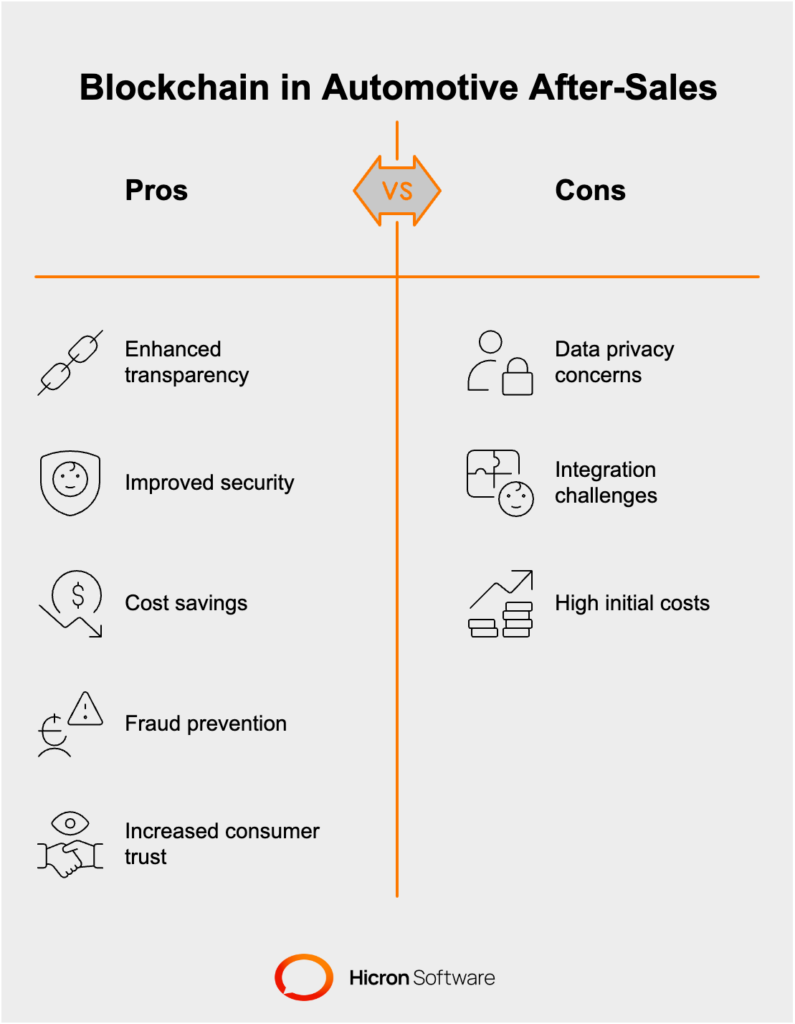
p>After materials programs, parts provenance is the next pressure point in after-sales supply chains. Blockchain is used to raise transparency and security across those chains. Volkswagen’s blockchain initiatives help verify the authenticity of auto parts, which reduces fraud risk and supports buyer trust in replacement components.
IBM and Renault built the XCEED blockchain network to share compliance documentation for vehicle components from design through production and into aftersales, replacing slow paper hand-offs with a shared digital record. That pattern is what after-sales parts teams look for when they need faster authenticity checks and cleaner supplier audit trails. Broader adoption still depends on resolving data-privacy rules, system integration, and upfront platform cost.
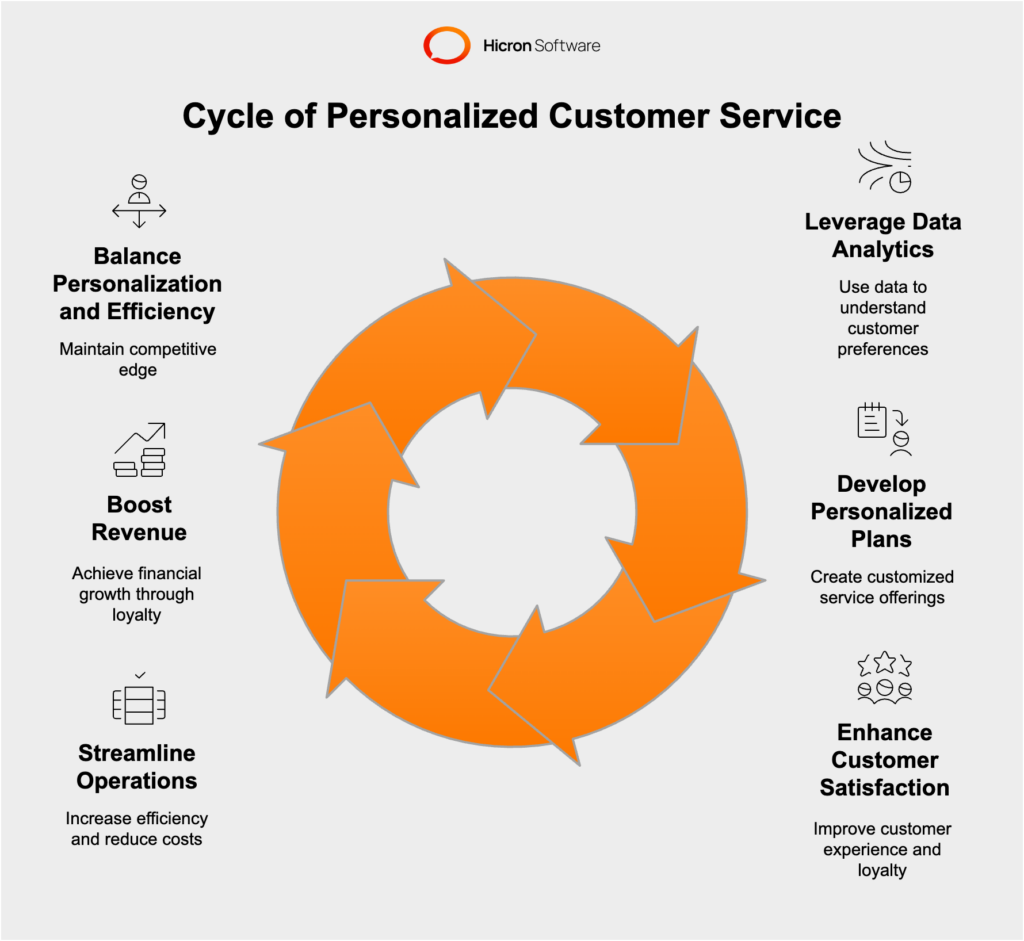
With parts authenticity under better control, service networks turn next to how each customer is treated in the bay and in the CRM. In a market where personalization drives loyalty, automotive companies are using data analytics to tailor services. Mercedes-Benz’s personalized maintenance plans, built on individual driving habits, show the direction of travel. These plans raise customer satisfaction and help workshops schedule work more predictably.
According to McKinsey, personalization done well can lift revenues by 5 to 15% and improve marketing-spend efficiency by 10 to 30%. After-sales teams still have to keep those tailored offers aligned with workshop capacity so personalization improves fill rates without clogging the schedule.
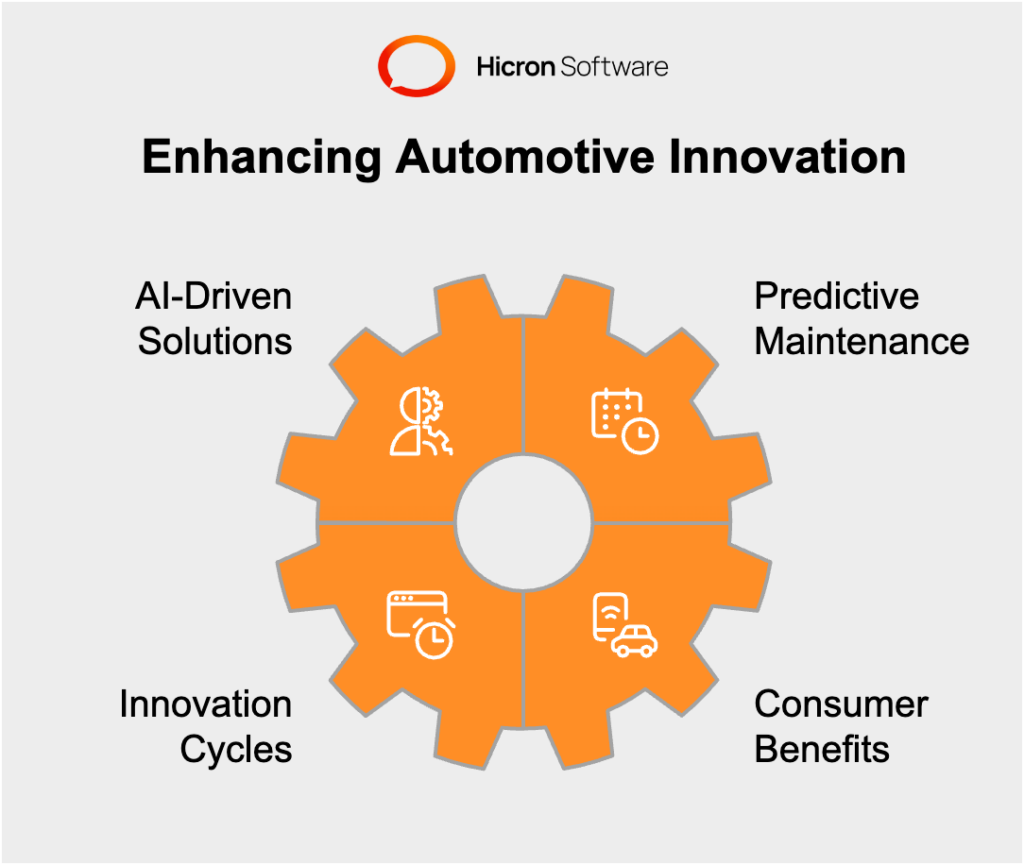
Personalized service programs scale faster when OEMs pair with technology specialists. The convergence of the automotive and tech industries is opening new delivery models. BMW’s collaboration with IBM uses AI-driven diagnostic solutions, enhancing predictive maintenance capabilities and reducing vehicle downtime. Such partnerships are becoming integral to how after-sales organizations bring new tools into dealer and workshop networks.
Industry leaders suggest that these collaborations could lead to faster innovation cycles and more robust technological ecosystems within the automotive sector, ultimately benefiting consumers with more reliable and efficient services.
Learn how AI revolutionizes Warranty Management
Even strong tech partnerships stall when skills and change capacity fall short. Workforce training is critical as companies integrate new systems, and resistance plus implementation cost remain real blockers. The U.S. Bureau of Labor Statistics projects about 70,000 openings each year on average for automotive service technicians and mechanics over 2024 to 2034, mostly to replace workers who leave the occupation. That hiring and replacement load is why after-sales operators put money into structured upskilling and change management alongside new diagnostic and CRM tools.
Where upskilling and system investment land, named operators show what modern after-sales can look like in practice. Tesla has set a visible bar with its direct-to-consumer services and over-the-air software updates. These practices streamline operations and raise the bar for customer engagement and satisfaction.
However, it’s important to recognize that Tesla operates exclusively as an electric vehicle (EV) manufacturer, which presents both unique opportunities and challenges.
Tesla captured approximately 60% of the U.S. EV market in recent years, demonstrating its significant influence in the sector. This dominance allows Tesla to leverage its position to innovate rapidly, but it also means any issues can have widespread implications. Being EV-only allows Tesla to sidestep many traditional automotive issues, such as engine maintenance, but it also introduces its own set of challenges. For instance, Tesla frequently encounters software recalls; in the first half of 2023 alone, they issued recalls affecting about 300,000 vehicles due to software-related issues. These recalls highlight the double-edged nature of relying heavily on digital systems for vehicle operations, where updates can solve problems quickly but also necessitate swift resolution when glitches occur.
Despite these challenges, Tesla’s approach of eliminating traditional dealership services has reduced costs and improved service speed. For instance, customer reports suggest that Tesla’s direct sales and service model can reduce service times by up to 40% compared to traditional models. Customer satisfaction surveys often rank Tesla highly, with many appreciating the convenience of software updates and the responsiveness of Tesla’s service teams.
This highlights the potential for disruptive innovation in the after-sales market, where comprehensive digital strategies can redefine customer expectations and streamline service processes. Tesla’s journey underscores the importance of balancing innovation with reliability, a lesson that resonates across the industry.
Looking ahead, autonomous vehicle maintenance and remote diagnostics are set to reshape after-sales delivery. These capabilities raise service precision and cut unplanned downtime when fleets and workshops can act on live vehicle data. Digitally enabled reliability programs already show the direction of the payoff: McKinsey reports availability gains of 5 to 15% and maintenance-cost reductions of 18 to 25% in digitally enabled maintenance work, which is the performance band after-sales operators chase when they fund remote diagnostics and predictive service models.
The automotive after-sales market is being reshaped by sustainability programs, digital service tools, and OEM-tech alliances inside a global aftermarket already measured in the high hundreds of billions of dollars. Operators that keep investing in verified parts flows, skilled technicians, and data-led service models protect recurring revenue and raise customer service quality as the competitive bar moves.

Hicron Software proved to be a trusted partner with unmatched technical expertise, delivering a scalable and user-friendly web application that was pivotal to our successful U.S. market expansion.

Hicron’s contributions have been vital in making our product ready for commercialization. Their commitment to excellence, innovative solutions, and flexible approach were key factors in our successful collaboration.
I wholeheartedly recommend Hicron to any organization seeking a strategic long-term partnership, reliable and skilled partner for their technological needs.
After carefully evaluating suppliers, we decided to try a new approach and start working with a near-shore software house. Cooperation with Hicron Software House was something different, and it turned out to be a great success that brought added value to our company.
With HICRON’s creative ideas and fresh perspective, we reached a new level of our core platform and achieved our business goals.
Many thanks for what you did so far; we are looking forward to more in future!

Hicron is a partner who has provided excellent software development services. Their talented software engineers have a strong focus on collaboration and quality. They have helped us in achieving our goals across our cloud platforms at a good pace, without compromising on the quality of our services. Our partnership is professional and solution-focused!

The IT system supporting the work of retail outlets is the foundation of our business. The ability to optimize and adapt it to the needs of all entities in the PSA Group is of strategic importance and we consider it a step into the future. This project is a huge challenge: not only for us in terms of organization, but also for our partners – including Hicron – in terms of adapting the system to the needs and business models of PSA. Cooperation with Hicron consultants, taking into account their competences in the field of programming and processes specific to the automotive sector, gave us many reasons to be satisfied.